Rhino Data Activation
Scattered data. One operational system.
Turn fragmented enterprise data into a production data asset your whole organization can build on — without a five-year data engineering program.

The Bottleneck
Your stakeholders have infinite questions. You have a finite team.
The most valuable data in any enterprise sits across disconnected systems, geographies, and silos. Everyone wants access to it: AI teams, compliance, analytics, product owners, and the agents they all want to deploy. Requests pile up while big projects stall in review.
Saying yes means an underfunded project. Saying no means nothing gets built.
The Rhino Difference
Rhino Data Activation is productized data engineering for regulated data: the pipeline, the review workflow, and the operations layer that take you from having no common data model to a cross-enterprise system you can actually maintain.

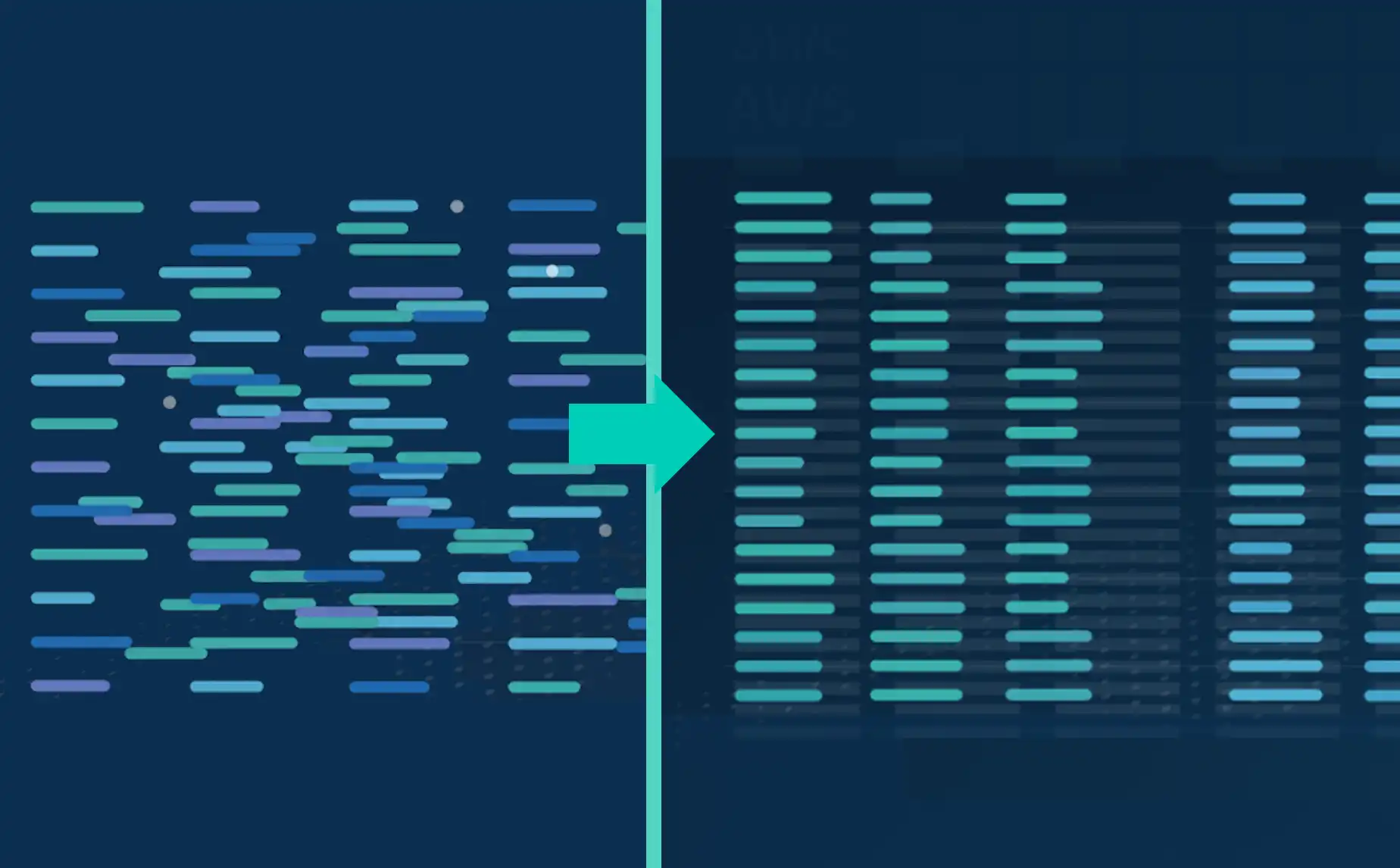
Harmonize
- Connect to your systems – warehouses, transactional systems, document stores, on-premise or cloud
- Map schemas and terminology once, reuse everywhere
- Human-first, AI-assist shortens review from months to days
- FHIR, OMOP, ISO 20022, SNOMED, or any custom schema

Govern
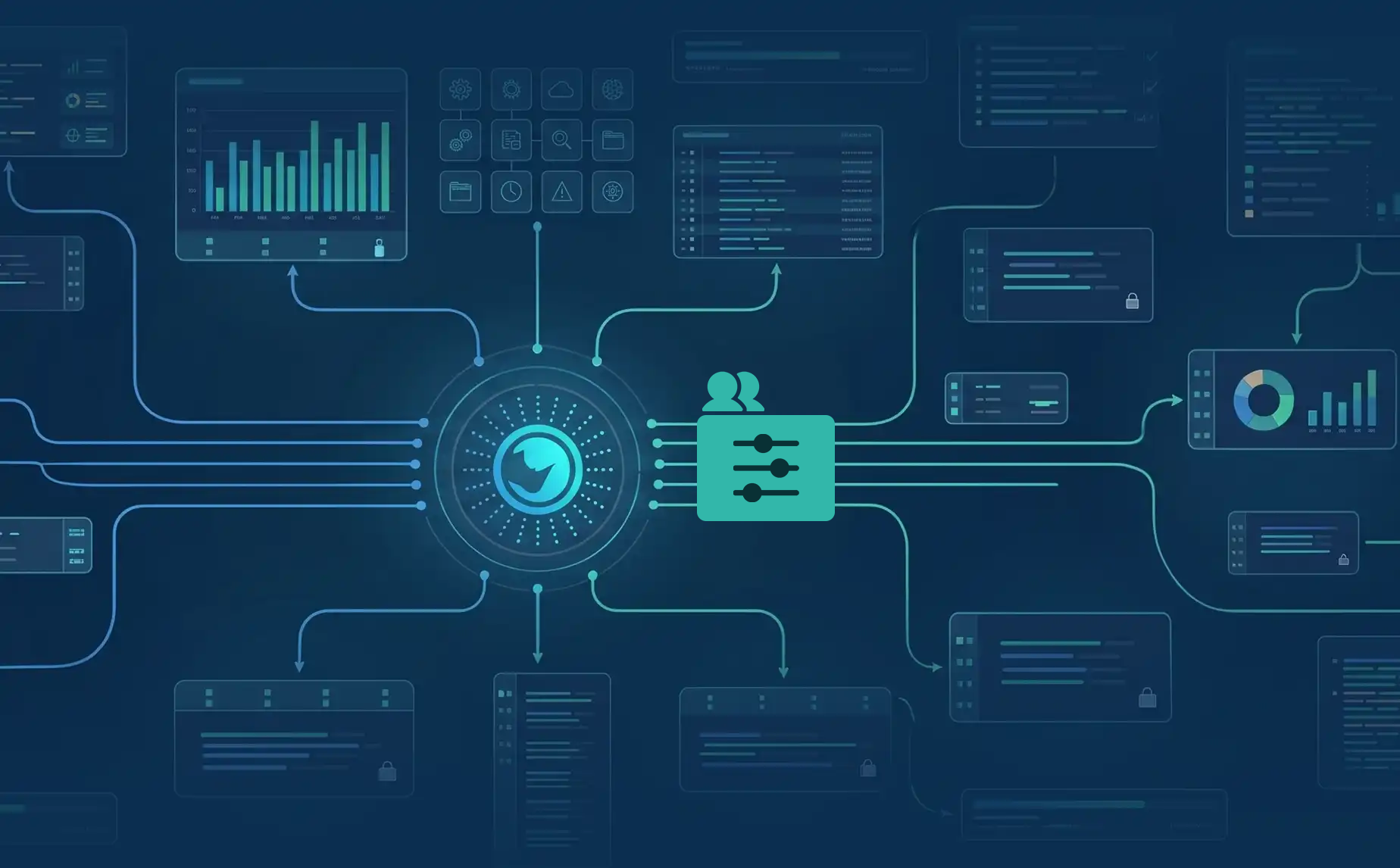
- Role-based access, per-project isolation, and audit logs for every event
- Central teams work across every site without local accounts
- Reviewers work without seeing identifiers or touching your systems
- Secure MCP server governs how AI agents and tools reach your data

Operate
- Absorb schema drift and standard version changes as they happen, not in an annual rebuild
- Refresh on your cadence, from nightly to minutes
- Fewer specialists to run it, not just more leverage for the ones you have
- Forward-deployed engineers, included
What Rhino Data Activation Makes Possible

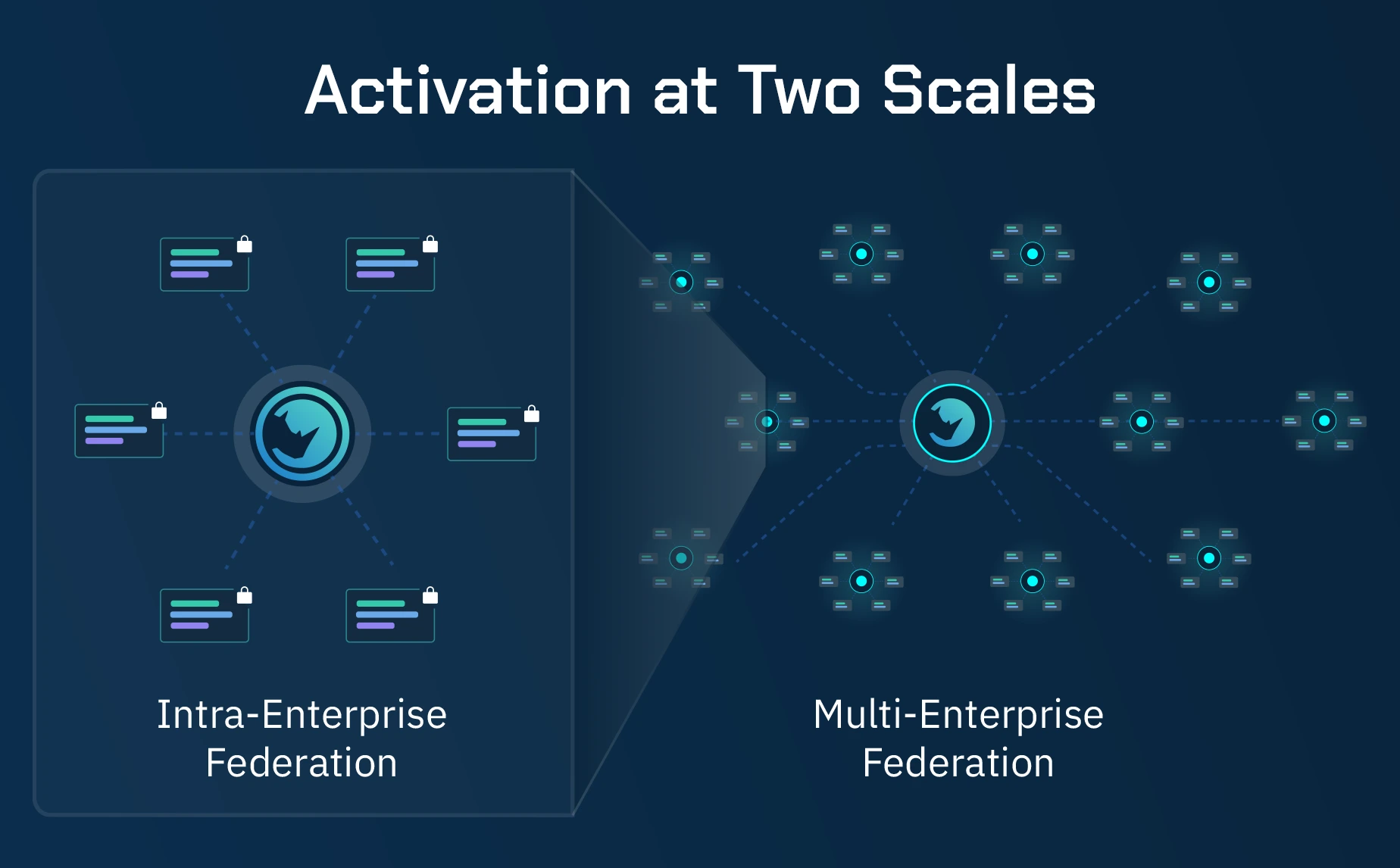
Source Onboarding — Connect EHRs, warehouses, imaging archives, and on-prem systems without waiting on a connector roadmap or a systems integrator's schedule.
Accelerated Review — Role-based access, per-project isolation, and complete audit logs govern who can utilize what data and when they did without moving a single record.


Pipeline Operations — Version control, validation, error handling, and incremental correction, so the pipeline stays current as sources and standards evolve.
Governed Release — De-identify and provision to any downstream consumer — compliance reporting, internal analytics, research, or an external partner – from the same maintained asset.

In Production Today
Rhino Data Activation is running in production across regulated industries globally.
600M+
Records harmonized
1-2
Days to create new data profiles
Use Case Spotlight
A major academic medical center runs continuous harmonization at high daily volume across source systems, with governed access for internal teams and controlled de-identified sharing with external partners. All without data leaving its own environment.
Whether you're expanding governed access across your complete data estate or scaling toward a full agentic platform, Rhino has the infrastructure, implementation support, and experience to get you there.

